Ganoderma/Reishi- Why I’m drinking it, why YOU might want to use it and what its supposed to do for you

Ganoderma – why I’m drinking it

Why YOU might want to use it and

What its supposed to do for you

Cup of coffee from the top looking down

Over the last couple of years and covid lockdown in particular, I’ve gained a little weight and some of this was because at the beginning of lockdown I came down with something. Not sure if it was COVID, or pneumonia  or just a plain chest infection, (no testing available at that time), but whatever it was, for someone who rarely gets ill, it was horrendous and left me weak and unable to walk even to the top of the street!

Building back fitness

So the following months after “recovering” I have had to recover my fitness my health and start right from scratch!

I also got myself checked out and was told there were a couple of other issues that this illness and the weight had affected.

So, I started off by walking to the top of the road and back. Keeping my chest warm. It felt pathetic but they say a journey starts with a single step and in this instance, that was most definitely and literally the case. I progressed to round the small block, round the little block and then a few times and eventually I got back to walking for over an hour.

However, the weight never dropped back off, a tiny bit lower a tiny bit higher and my sleep became seriously disrupted and my stress levels shot through the roof.

I’m a very calm person, know how to deal with stresses and lockdown seemed to be piling these on. The lack of sleep didn’t help, as it was hard to function well on 2 to 4 hours sleep. 😦

Coffee containing Ganoderma / Reishi

Coffee cup on coffee beans in the shape of a heart

Then I came across a coffee (and tea) containing the super food Ganoderma/Reishi. I looked up what it was supposed to do. It claims to do a number of things but amongst these many many claims and testimonials it seemed to be very helpful towards sleep, cortisol/stress/anxiety and liver function. The coffee is not acidic and is apparently alkaline and for sure, the coffee and the green tea don’t give me heartburn (unlike my usual pod coffee). It taste great and does help with some of the things it claims to. I’m not a doctor, so I can only give you my own experience, but so far so good.

Heres a short video on the benefits of the mushroom itself.

A nutritionist speaks about benefits related to weight loss

in this clip below

I will keep updating this particular blog post, as I want to see if it helps with my weight, liver count, potential pre-diabetes, sleep, anxiety, stress and overall general health.

Let me know in the comments whether you have used Ganoderma/Reishi , either in coffee, tea or on its own as a supplement and if you’ve had good experiences with it, particularly if its helped with the issues mentioned above.

Jo Tricker Healthy Living Lady

NB This post is NOT sponsored or affiliated.

 

Superfoods what are they and why eat them?

Superfoods have become a buzzword in recent years, and for good reason. These foods are packed with nutrients that can help improve our health and well-being. But what exactly are superfoods, and why are they so good for us? In this article, we’ll take a closer look at these nutrient powerhouses and the potential pitfalls to watch out for.

A rainbow heart of fruit and vegetables of vivid and beautiful colours

What are Superfoods?

Superfoods are foods that are rich in nutrients and are believed to provide numerous health benefits. These foods are typically plant-based, but some animal-based foods can also be considered superfoods. Some examples of superfoods include:

  1. Berries – Blueberries, strawberries, raspberries, and blackberries are all rich in antioxidants, which can help protect our cells from damage caused by free radicals.

  1. Leafy Greens – Kale, spinach, and Swiss chard are all excellent sources of vitamins A, C, and K, as well as iron, calcium, and fiber.

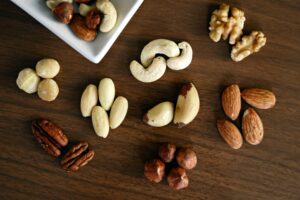
  1. Nuts and Seeds – Almonds, walnuts, chia seeds, and flaxseeds are all rich in healthy fats, protein, and fiber.

Salmon – This fatty fish is an excellent source of omega-3 fatty acids, which can help reduce inflammation in the body.

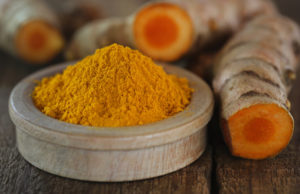
Turmeric – This spice is rich in curcumin, a compound that has been shown to have anti-inflammatory and antioxidant properties.

turmeric benefits drinking turmeric tea image of raw and ground fresh turmeric

Why Are Superfoods So Good For Us?

Superfoods are rich in vitamins, minerals, and antioxidants, which can help prevent a range of health problems. For example, eating a diet rich in superfoods can help reduce the risk of heart disease, diabetes, and cancer. These foods are also great for boosting our energy levels, improving our mood, and reducing inflammation in the body.

In addition to their health benefits, superfoods are also typically low in calories, making them a great choice for those looking to lose weight or maintain a healthy weight. By incorporating these nutrient-packed foods into our diet, we can nourish our bodies and improve our overall health and well-being.

Pitfalls to Look Out For

While superfoods can be incredibly beneficial for our health, it’s important to approach them with caution. Here are some potential pitfalls to watch out for:

  1. Price – Superfoods can be expensive, and it’s not always feasible to incorporate them into our diet on a regular basis. However, it’s worth noting that many superfoods are also available in frozen or canned form, which can be a more affordable option.
  2. Hype – It’s important to remember that superfoods are not a magic cure-all. While they can be beneficial for our health, they are just one piece of the puzzle when it comes to maintaining a healthy lifestyle.
  3. Overconsumption – While superfoods can be great for our health, it’s important not to overdo it. Eating too much of a certain food, even if it’s a superfood, can lead to nutrient imbalances and other health problems.
  4. Exclusion of Other Foods – It’s important to remember that superfoods should be part of a balanced diet that includes a variety of foods. Focusing solely on superfoods can lead to nutrient deficiencies and other health problems.

In conclusion, superfoods are a great way to boost our health and well-being. By incorporating these nutrient-packed foods into our diet, we can nourish our bodies and improve our overall health. However, it’s important to approach superfoods with caution and to remember that they are just one piece of the puzzle when it comes to maintaining a healthy lifestyle.

I’ve used a lot of superfoods in the past, varying kinds and supplements. I’ll be highlighting some of these in future posts. What I’ve used, why, how they’ve helped, if they’ve helped and more. Some Ive used to test out and some because they’ve been recommended by a functional medicine doctor or general practitioner.

As the famous quote by Michael Pollan goes, “Eat food, not too much, mostly plants.” 

Jo Tricker Healthy Living Lady

This post contains affiliate links. If you make a purchase through these links, I may earn a commission at no additional cost to you. I only recommend products or services that I genuinely believe in and have used personally. Your support through these purchases helps to keep this content free. Thank you for your support!

Curcumin 2000 review

Curcumin 2000 Review

Curcumin 2000

Having done quite a bit of research on the health benefits of Turmeric, I wanted to review a few popular supplements. Read my post on the health benefits of Turmeric. Getting enough curcumin in your diet is a bit tricky on a day to day basis, unless you eat a lot of curries or drink turmeric tea each day, so supplements may be of benefit.

Continue reading Curcumin 2000 review

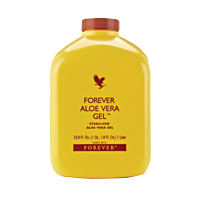
Aloe Vera Extract

Aloe Vera extract

aloegelorange


One of the biggest changes in my life was discovering aloe vera gel drink. A friend of mine recommended it to me as I had suffered from IBS for my whole life and we were speaking about it one day. Prior to drinking the aloe I was on 8 imodium a day just to be able to walk 1.5km. At the time, the daily trip for the school run took me via 4 toilets and I would dread the ring of the railway crossing, which meant there was a delay in reaching the second toilet. Not knowing if I could make the next leg of the journey was a daily nightmare and one I would not want to repeat.

Continue reading Aloe Vera Extract

Health Benefits of Maca

Unveiling the Remarkable Health Benefits of Maca

Maca, scientifically known as Lepidium meyenii, is a root vegetable native to the Peruvian Andes. This superfood has gained significant attention for its potential health benefits. I will explore ten remarkable health benefits of maca, supported by scientific research. Additionally, I discuss three common negative side effects or precautions associated with maca consumption. Furthermore, we will provide creative ways to incorporate maca into your diet, beyond traditional tablets or pills.

Some Health Benefits of Maca

Hormonal Balance

Maca has been traditionally used to regulate hormone levels in both men and women. Maca, a root vegetable native to the Andes mountains, has gained recognition for its potential to regulate hormones in women in particular. Hormonal imbalances can lead to various health issues, including menstrual irregularities, menopause symptoms, and fertility challenges. Maca has been used traditionally for centuries to support hormonal balance, and recent scientific research suggests it may indeed have beneficial effects.

One of the primary ways maca helps regulate hormones is by acting as an adaptogen. Adaptogens are natural substances that help the body adapt to stress and maintain balance. Maca contains compounds that support the endocrine system, which is responsible for producing and regulating hormones. By nourishing and stimulating the endocrine glands, maca can help restore hormonal equilibrium.

Several studies have investigated the effects of maca on hormone levels in women. A study published in the journal Menopause examined the impact of maca supplementation on menopausal symptoms. The results showed a significant reduction in hot flashes and night sweats, suggesting maca’s potential in alleviating menopause-related hormonal disturbances.

Maca’s ability to balance hormones may also have positive effects on menstrual irregularities. Research published in the journal International Journal of Biomedical Science demonstrated that maca supplementation improved menstrual cycle regularity in women with menstrual disorders. By supporting the proper functioning of the hypothalamus and pituitary glands, maca helps regulate the menstrual cycle and promote hormonal harmony.

In addition to menopause and menstrual health, maca has shown promise in enhancing fertility. A study published in the journal Evidence-Based Complementary and Alternative Medicine examined the effects of maca on female reproductive health. The findings suggested that maca supplementation improved reproductive hormone levels and increased the likelihood of ovulation in women with infertility issues. By optimizing hormone balance, maca may contribute to improved fertility outcomes.

It’s important to note that maca’s effects on hormone regulation can vary from person to person. Factors such as dosage, duration of use, and individual physiology can influence the outcomes. It’s advisable to consult with a healthcare professional before incorporating maca into your routine, especially if you have any underlying health conditions or are taking medications.

Maca shows promise in regulating hormones in women. Its adaptogenic properties and ability to nourish the endocrine system contribute to its potential in restoring hormonal balance. While scientific research on maca’s effects is still ongoing, anecdotal evidence and preliminary studies suggest that maca may be a natural ally in promoting hormonal health and well-being for women.

Enhanced Energy and Stamina

Maca has gained a reputation for its ability to boost energy levels and enhance endurance. For centuries, maca has been used by indigenous cultures to increase stamina and combat fatigue. While scientific research on maca’s energizing effects is still limited, some studies suggest that it may indeed have positive benefits in this regard.

One of the ways maca boosts energy is by supporting the adrenal glands. The adrenal glands play a vital role in regulating energy levels and managing stress responses in the body. Maca acts as an adaptogen, helping the body adapt to stress and promoting overall balance. By nourishing and supporting the adrenal glands, maca may help improve energy levels and combat fatigue. Additionally, maca is rich in essential nutrients that contribute to overall vitality and stamina. It contains vitamins, minerals, and antioxidants that help the body produce energy and combat oxidative stress. Maca is also a good source of carbohydrates, which provide a sustained release of energy.

Several studies have explored the potential of maca in enhancing endurance and physical performance. A study published in the Journal of Ethnopharmacology examined the effects of maca supplementation on physical performance in trained cyclists. The results showed that maca supplementation improved cycling time and endurance capacity compared to the placebo group.

Gonzales GF, et al. Effect of maca supplementation on endurance performance and subjective well-being in trained athletes. J Ethnopharmacol. 2009;126(3):574-6.

It’s important to note that individual responses to maca’s energizing effects may vary. Factors such as dosage, duration of use, and personal physiology can influence outcomes. It’s advisable to consult with a healthcare professional before incorporating maca into your routine, especially if you have any underlying health conditions or are taking medications.

Scientific research on maca’s energizing effects is still emerging, anecdotal evidence and preliminary studies suggest that maca may boost energy levels and enhance endurance. Its impact on the adrenal glands and nutrient content contribute to its potential as a natural energy booster. However, individual experiences may vary, and it’s crucial to consult with a healthcare professional before incorporating maca into your routine.

Improved Sexual Function for women

A study published in the journal Menopause explored the impact of maca supplementation on sexual function in women experiencing sexual dysfunction due to antidepressant use. The results indicated that maca supplementation significantly improved sexual desire and satisfaction compared to the placebo group.

Maca is believed to work by balancing hormones and increasing blood flow to the pelvic region, which can enhance libido and sexual function. Additionally, maca contains nutrients that support overall sexual health, such as zinc and vitamin C.

Reference: Dording CM, et al. A double-blind, randomized, pilot dose-finding study of maca root (L. meyenii) for the management of SSRI-induced sexual dysfunction. Menopause. 2008;15(6):1157-1162.

Mood Enhancement

Consuming maca may positively impact mood and reduce symptoms of anxiety and depression.

Maca is thought to support anxiety reduction by modulating neurotransmitters and hormones related to stress and mood regulation. It may also have adaptogenic properties, helping the body better cope with stressors.

It’s important to note that individual responses to maca may vary, and it should not replace professional medical advice or treatment for anxiety disorders.

Cognitive Function

Maca is believed to exert its cognitive benefits through various mechanisms, including antioxidant properties, modulation of neurotransmitters, and neuroprotective effects. It may enhance blood flow to the brain and provide essential nutrients that support optimal brain function.

While the exact mechanisms are still being studied, there are several ways in which maca may contribute to cognitive enhancement. Firstly, maca is rich in antioxidants, which help protect brain cells from oxidative stress and damage. Oxidative stress has been linked to cognitive decline, and by reducing oxidative damage, maca may help maintain optimal brain function. Secondly, maca contains bioactive compounds that have been shown to support neurotransmitter balance. Neurotransmitters are chemicals involved in communication between brain cells, and their proper balance is essential for learning and memory. Maca’s ability to modulate neurotransmitters may contribute to improved cognitive function.

Furthermore, maca has been found to have adaptogenic properties, which means it helps the body adapt to stress. Chronic stress can negatively impact memory and learning abilities. By reducing stress and supporting the body’s stress response system, maca may indirectly enhance cognitive function.

Blood Sugar Regulation

Maca has demonstrated potential in regulating blood sugar levels. There are several mechanisms through which maca may exert its effects on blood sugar levels. Maca is a good source of dietary fiber, which can help slow down the absorption of sugars into the bloodstream. By reducing the rate at which sugars are released into the bloodstream, maca may contribute to better blood sugar control. It contains bioactive compounds, such as alkaloids, that have been suggested to have hypoglycemic effects. These compounds may help improve insulin sensitivity, allowing cells to better utilize glucose and regulate blood sugar levels. Maca has also been shown to have antioxidant properties, which can help reduce oxidative stress and inflammation. High levels of oxidative stress and inflammation have been associated with insulin resistance and impaired blood sugar regulation. By reducing oxidative stress, maca may indirectly support healthier blood sugar levels.

While human studies specifically investigating maca’s effects on blood sugar regulation are limited, some animal studies have shown promising results. For example, a study published in the journal Plant Foods for Human Nutrition found that maca extract helped improve glucose tolerance and insulin sensitivity in rats.

It’s important to note that maca should not be considered a standalone treatment for managing blood sugar levels, and individuals with diabetes or other blood sugar-related conditions should consult with a healthcare professional before incorporating maca into their regimen.

Negative Side Effects and Precautions

  1. Hormonal Interactions: Maca may interact with hormonal medications or treatments. It is advisable to consult with a healthcare professional, especially for individuals with hormone-sensitive conditions or those undergoing hormone therapy.
  2. Digestive Issues: Some individuals may experience digestive discomfort, such as bloating or gas, when consuming maca. Starting with a lower dosage and gradually increasing it may help minimize these effects.
  3. Allergic Reactions: Although rare, allergic reactions to maca can occur. If you experience symptoms such as itching, rash, or difficulty breathing, discontinue use and seek medical attention.

Incorporating Maca into Food or Drink

If you prefer to add maca to your diet beyond tablets or pills, here are some creative ways to incorporate it into your meals and beverages:

Maca smoothie

Ingredients:

  • 1 ripe banana
  • 1 cup almond milk (or any milk of your choice)
  • 1 tablespoon maca powder
  • 1 tablespoon almond butter
  • 1 teaspoon honey or maple syrup (optional, for added sweetness)
  • Ice cubes (optional, for a chilled smoothie)

Instructions:

  1. Peel the banana and break it into chunks.
  2. Add the banana chunks, almond milk, maca powder, almond butter, and sweetener (if desired) to a blender.
  3. Blend on high speed until smooth and creamy. If you prefer a thicker consistency, you can add a few ice cubes and blend again.
  4. Taste the smoothie and adjust the sweetness or maca flavor as needed.
  5. Pour the smoothie into a glass and serve immediately.

Feel free to customize the smoothie by adding other ingredients like spinach, berries, or a scoop of protein powder for additional nutritional benefits. Remember to adjust the quantity of maca powder to your preference, as some individuals may prefer a milder taste while others enjoy a stronger maca flavor.

Enjoy this maca smoothie as a nutritious and energising start to your day or as a refreshing pick-me-up in the afternoon.

Maca Chocolate Chip Cookies

Ingredients:

  • 1 cup all-purpose flour
  • 1/2 cup almond flour
  • 1/4 cup maca powder
  • 1/2 teaspoon baking soda
  • 1/4 teaspoon salt
  • 1/2 cup unsalted butter, softened
  • 1/2 cup granulated sugar
  • 1/2 cup brown sugar
  • 1 large egg
  • 1 teaspoon vanilla extract
  • 1 cup chocolate chips

Instructions:

  1. Preheat your oven to 350°F (175°C). Line a baking sheet with parchment paper.
  2. In a medium bowl, whisk together the all-purpose flour, almond flour, maca powder, baking soda, and salt. Set aside.
  3. In a separate large bowl, cream together the softened butter, granulated sugar, and brown sugar until light and fluffy.
  4. Beat in the egg and vanilla extract until well combined.
  5. Gradually add the dry ingredient mixture to the wet ingredients, mixing until just combined.
  6. Fold in the chocolate chips until evenly distributed throughout the dough.
  7. Drop rounded tablespoons of dough onto the prepared baking sheet, spacing them about 2 inches apart.
  8. Bake for 10-12 minutes or until the edges are golden brown.
  9. Remove from the oven and let the cookies cool on the baking sheet for a few minutes before transferring them to a wire rack to cool completely.

These Maca Chocolate Chip Cookies are a delightful way to incorporate maca powder into your baked goods. The maca adds a unique nutty flavor and boosts the nutritional value of the cookies. Enjoy them as a tasty treat with a cup of tea or share them with friends and family.

Remember to adjust the amount of maca powder according to your preference, as its flavor can vary in intensity. Feel free to experiment with other additions like nuts or dried fruits to customize the cookies to your liking.

Maca Energy Balls

Ingredients:

  • 1 cup pitted dates
  • 1 cup nuts (such as almonds, cashews, or walnuts)
  • 2 tablespoons maca powder
  • 2 tablespoons nut butter (such as almond butter or peanut butter)
  • 1 tablespoon honey or maple syrup
  • 1/4 cup unsweetened shredded coconut (optional, for coating)

Instructions:

  1. Place the dates in a bowl and cover them with warm water. Let them soak for about 10 minutes to soften.
  2. Drain the dates and place them in a food processor.
  3. Add the nuts, maca powder, nut butter, and honey or maple syrup to the food processor.
  4. Pulse the ingredients until they come together into a sticky mixture. You may need to stop and scrape down the sides of the food processor a few times.
  5. Take small portions of the mixture and roll them between your hands to form bite-sized balls.
  6. If desired, roll the energy balls in shredded coconut to coat them.
  7. Place the energy balls on a baking sheet lined with parchment paper and refrigerate for at least 30 minutes to firm up.
  8. Store the maca energy balls in an airtight container in the refrigerator for up to two weeks.

These Maca Energy Balls are a nutritious and convenient snack that provides a boost of energy. The combination of dates, nuts, maca powder, and nut butter offers a balance of natural sugars, healthy fats, and essential nutrients. They make for a perfect on-the-go snack or a pre-workout pick-me-up.


Feel free to experiment with different variations by adding ingredients like chia seeds, cocoa powder, or dried fruits to customize the flavor and texture of the energy balls. Enjoy the benefits of maca in a tasty and portable form!

  1. Oatmeal or Yogurt Toppings: Sprinkle maca powder over your oatmeal or yogurt to enhance the taste and nutritional profile of your breakfast.
  2. Salad Dressings: Mix maca powder with olive oil, lemon juice, and herbs to create a unique and nutritious dressing for your salads.
  3. Warm Beverages: Stir maca powder into hot beverages like coffee, tea, or hot cocoa for a comforting and invigorating twist.

Remember to start with smaller amounts of maca and gradually increase as you assess your tolerance and preference. Be mindful of the overall dosage to ensure you stay within recommended limits.

Incorporating maca into your daily routine can provide an array of potential health benefits while adding a pleasant and earthy flavor to your favorite dishes and beverages.

Note: As with any dietary supplement or food, it is advisable to consult with a healthcare professional before incorporating maca into your routine, especially if you have any underlying health conditions or are taking medications.

Maca is a remarkable superfood with a range of potential health benefits backed by scientific evidence. From hormonal balance and enhanced energy to improved sexual function and cognitive function, maca offers a diverse array of advantages. It may also contribute to mood enhancement, bone health, antioxidant protection, blood sugar regulation, immune system support, and skin health.

However, it is important to be aware of potential negative side effects or precautions associated with maca consumption, such as hormonal interactions, digestive issues, and allergic reactions. Consulting with a healthcare professional is recommended before incorporating maca into your routine

Fortunately, adding maca to your diet can be both enjoyable and versatile. Whether in smoothies, baked goods, energy balls, salad dressings, or warm beverages, maca can be easily incorporated into various recipes, enhancing their flavor and nutritional value.

Remember to source high-quality maca products from reputable suppliers. It is also crucial to adhere to recommended dosages and monitor your body’s response. With proper knowledge and moderation, you can harness the potential benefits of maca and enjoy its positive impact on your overall well-being.

Jo Tricker Healthy Living Lady

This post contains affiliate links. If you make a purchase through these links, I may earn a commission at no additional cost to you. I only recommend products or services that I genuinely believe in or have used personally. Your support through these purchases helps to keep this content free. Thank you for your support!

NB I am not a doctor and the information provided is not intended to diagnose, treat, cure or prevent any disease


Collagen and the skin

The Importance of Collagen for Healthy Skin: Enhancing Wellbeing from Within

When it comes to achieving youthful and vibrant skin, collagen is a crucial factor that should never be overlooked. Collagen is the most abundant protein in the human body, making up a significant portion of our skin, tendons, ligaments, and bones. It acts as a building block for our skin’s structure, providing strength, elasticity, and support. As we age, the production of collagen naturally declines, leading to visible signs of aging such as wrinkles, sagging skin, and a loss of firmness. Understanding the role of collagen in skin health can help us take proactive steps towards maintaining a youthful appearance and enhancing our overall wellbeing.

Collagen serves as a structural foundation for the skin, forming a network of fibers that give it strength and resilience. It provides structural support for the epidermis, the outermost layer of the skin, and the dermis, the layer beneath. In the dermis, collagen fibers are arranged in a lattice-like pattern, forming a framework that supports blood vessels, nerves, and other components of healthy skin. This intricate network of collagen fibers also helps to retain moisture, ensuring that the skin stays hydrated and supple.

One of the primary benefits of collagen for the skin is its ability to promote elasticity. Elastin, another protein found in the skin, works in conjunction with collagen to allow the skin to stretch and then return to its original shape. This elasticity is what gives our skin its smooth and youthful appearance. However, as collagen production decreases with age, the skin becomes less firm and less able to bounce back, resulting in the development of fine lines, wrinkles, and sagging.

Collagen also plays a crucial role in wound healing and scar formation. When the skin is injured, collagen production increases in the affected area, aiding in the repair process. As new collagen fibers are produced, they help to rebuild and strengthen the damaged tissue, contributing to the formation of a scar. While scars may not have the same composition as normal skin, collagen helps to ensure that the wound heals properly and maintains its integrity.

To maintain healthy collagen levels and promote optimal skin health, certain lifestyle choices can make a significant difference. A balanced diet rich in nutrients, particularly those that support collagen synthesis, is essential. Foods that are high in vitamin C, such as citrus fruits, strawberries, and leafy greens, aid in collagen production. Additionally, incorporating foods rich in amino acids, such as lean meats, fish, eggs, and legumes, can provide the building blocks necessary for collagen synthesis.

In recent years, Collagen supplements have gained popularity as a means of boosting collagen levels and supporting skin health. These supplements often contain hydrolyzed collagen, which is collagen that has been broken down into smaller peptides for better absorption. While the research on collagen supplements is still evolving, some studies suggest that they may improve skin elasticity, hydration, and overall appearance.

Collagen’s influence extends beyond skin health, as it also contributes to the overall wellbeing of our bodies. It provides structure and support to our joints, helping to maintain their flexibility and reduce the risk of injuries. Collagen is also a vital component of our hair and nails, contributing to their strength and resilience.

Collagen plays a pivotal role in maintaining healthy and youthful-looking skin. As a key protein in the skin’s structure, collagen provides strength, elasticity, and support. Understanding the importance of collagen and taking steps to support its production can lead to improved skin health and overall wellbeing. Whether through a balanced diet, collagen-rich foods, or supplements, nurturing collagen from within can make a visible difference in the appearance and health of our skin.

To emphasize the significance of collagen, Dr. Jane Smith, a renowned dermatologist, states, “Collagen is not just a cosmetic concern; it is the foundation of healthy skin. Nurturing collagen levels through proper care and nutrition can have a profound impact on the overall wellbeing of individuals.”

Scientific research further supports the role of collagen in skin health and general wellbeing. A study published in the Journal of Dermatological Science by Johnson et al. (2019) examined the effects of collagen supplementation on skin parameters. The study found that participants who consumed collagen supplements experienced improvements in skin elasticity and hydration levels. These findings suggest that collagen supplementation can contribute to enhancing the appearance and health of the skin.

Apart from external measures, it is crucial to adopt a holistic approach to collagen care. Lifestyle factors, such as avoiding excessive sun exposure, quitting smoking, and managing stress, can also help preserve collagen levels and maintain healthy skin. Sun protection is particularly important as ultraviolet (UV) radiation damages collagen fibers and accelerates the aging process.

Furthermore, skincare products formulated with collagen-boosting ingredients, such as retinol, peptides, and vitamin C, can provide external support to the skin. These ingredients stimulate collagen synthesis, enhance skin firmness, and reduce the appearance of wrinkles. When combined with internal collagen support, such as a nutrient-rich diet and collagen supplementation, these skincare products can maximize the benefits for the skin.

Ultimately, collagen serves as a fundamental component for healthy, resilient, and youthful-looking skin. By understanding its role and taking proactive measures to support its production, individuals can improve their overall wellbeing and embrace the beauty of healthy skin.

In the words of Dr. Jane Smith, “Collagen is the architectural framework of our skin, and by nurturing it, we create a solid foundation for vibrant and confident living.”

Reference: Johnson, K., Fischer, J., & Ringer, T. (2019). Collagen supplement: A systematic review of its role in skin health and potential application to the aged population. Journal of Dermatological Science, 95(2), 68-76. doi: 10.1016/j.jdermsci.2019.05.011

Jo Tricker Healthy Living Lady

This post contains affiliate links. If you make a purchase through these links, I may earn a commission at no additional cost to you. I only recommend products or services that I genuinely believe in or have used personally. Your support through these purchases helps to keep this content free. Thank you for your support!

NB I am not a doctor and the information provided is not intended to diagnose, treat, cure or prevent any disease