Elevate Your Fitness with Equalizer Bars

Build Strength, Tone Muscles, and Improve Stability

If you’re looking for a versatile, compact, and highly effective fitness tool, the Equalizer bars might be just what you need. These portable bars are perfect for strength training, toning muscles, and improving your stability—all in the comfort of your home. Whether you’re a beginner or a fitness enthusiast, Equalizer bars are an excellent addition to your workout routine.

What Are Equalizer Bars?

Equalizer bars are simple yet powerful fitness tools designed for bodyweight exercises. They consist of two parallel bars that are lightweight yet sturdy, offering a wide range of exercise options for your upper body, core, and even your lower body. With Equalizer bars, you can perform dips, push-ups, rows, and so much more, all while working on your balance and coordination.

Benefits of Using Equalizer Bars

1.Build Upper Body Strength

The Equalizer bars are perfect for strengthening your arms, chest, shoulders, and back. Exercises like dips, pull-ups, and rows target these muscle groups, helping you build lean muscle and increase overall strength.

2.Engage Your Core

Many exercises on the Equalizer bars require balance, which activates your core muscles. This not only tones your abs but also improves your stability and posture.

3.Versatile and Portable

The compact design of the Equalizer bars makes them ideal for home workouts or even outdoor fitness sessions. They’re easy to store and transport, so you can work out wherever you go.

4.Low Impact on Joints

Bodyweight exercises on the Equalizer bars are gentle on your joints while still being highly effective. This makes them a great option for people recovering from injuries or looking for low-impact fitness solutions.

5.Adaptable for All Fitness Levels

Whether you’re just starting out or you’re a seasoned athlete, the Equalizer bars offer a range of exercises that can be modified to match your fitness level.

How to Use Equalizer Bars

Here are some ways you can incorporate the Equalizer bars into your fitness routine:

Tone Your Arms and Chest: Perform dips to target your triceps and chest muscles. Adjust the depth of the movement to suit your strength level.

Strengthen Your Core: Try knee tucks or L-sits to engage your abs and improve core stability.

Improve Your Back Strength: Use the bars for rows to build a strong and toned back.

Lower Body Workouts: Incorporate split squats or step-overs to work your legs and glutes.

Why Choose Equalizer Bars?

The Equalizer bars are simple yet highly effective tools that cater to a wide range of fitness goals. Whether you’re looking to tone specific muscle groups, build strength, or improve your overall fitness, these bars provide a fun and challenging way to stay active.

If you’re ready to elevate your fitness game, the Equalizer bars are a must-have for your home gym. Their versatility, durability, and effectiveness make them a smart investment for anyone committed to their health and wellness.

Disclaimer

I am not a personal trainer or a qualified fitness professional. This blog post is based on personal experiences and recommendations. Always consult a qualified expert or your doctor before starting a new exercise routine, especially if you have any pre-existing health conditions.

Final Thoughts

The Equalizer bars are a simple, affordable, and effective way to boost your fitness routine. Whether you’re focusing on upper body strength, core stability, or full-body workouts, these bars offer endless possibilities for improving your health. Click the link to get your Equalizer bars today and start seeing results!

Disclosure: As an Amazon Associate, I earn from qualifying purchases at no extra cost to you.

Jo Tricker Healthy Living Lady

SkinCeuticals A.G.E. Interrupter anti aging skin treatment – product review

Effective Strategies to Improve Wrinkly or Crepe Paper-Like Skin on the Neck and Upper Chest for Older Women

As women age, one common concern we may face is the development of wrinkly or crepe paper-like skin on the neck and upper chest area. These visible signs of aging can cause self-consciousness and impact overall confidence. However, with the right approach and consistent skincare practices, it is possible to improve the appearance of this delicate skin. I will explore effective strategies supported by scientific data from England to address and improve wrinkly or crepey skin on the neck and upper chest.

Hydration and Moisturization

Proper hydration is key to maintaining healthy skin. Drinking an adequate amount of water daily helps improve overall skin health and elasticity. In addition to internal hydration, external moisturization is crucial for targeting specific areas prone to wrinkling. Apply a nourishing moisturizer to the neck and upper chest area daily, preferably one that contains hyaluronic acid and ceramides, as these ingredients help retain moisture and promote skin plumpness. According to a study published in the Journal of Clinical and Aesthetic Dermatology, hyaluronic acid-based moisturisers have shown significant improvements in skin hydration and elasticity when used consistently over time.You may notice this if you have flown in a plane, your skin can dehydrate significantly during the flight and good moisturisers are essential.

Hyaluronic Acid: A Key Molecule in Skin Aging 

Sun Protection

Protecting the skin from harmful UV rays is vital for preventing and minimizing further damage. Apply a broad-spectrum sunscreen with a minimum SPF of 30 to the neck and upper chest area daily, even on cloudy days. This helps shield the skin from the sun’s damaging effects and reduces the risk of accelerated aging. A study conducted by the British Association of Dermatologists found that regular use of sunscreen significantly reduced the signs of photoaging, including wrinkles and skin roughness. Remember, that your face neck chest and hands are often the first to show signs of aging.

Sunscreen and Prevention of Skin Aging: A Randomized Trial 

Scientific Data: https://pubmed.ncbi.nlm.nih.gov/16029679/

Exfoliation

Regular exfoliation helps remove dead skin cells and stimulates collagen production, which can improve the appearance of wrinkly or crepey skin. Gentle exfoliation using chemical exfoliants like alpha-hydroxy acids (AHAs) or beta-hydroxy acids (BHAs) can promote cell turnover and enhance skin texture. However, it is important to avoid over-exfoliation, as this can lead to skin irritation. A study published in the British Journal of Dermatology demonstrated that regular use of AHAs resulted in increased epidermal thickness and improved collagen structure. 

Alpha-Hydroxy Acids: Procedures for Use in Clinical Practice  

Collagen-Boosting Ingredients

Collagen is a protein that provides structure and elasticity to the skin. As we age, collagen production declines, leading to skin laxity and wrinkles. Including skincare products that contain collagen-boosting ingredients can help improve the appearance of crepey skin. Look for products containing retinol, peptides, or vitamin C, as these ingredients have shown efficacy in stimulating collagen synthesis. According to a study conducted by the University of Manchester, topical application of vitamin C significantly improved the appearance of aged skin, including increased collagen production. 

Professional Treatments

For more significant improvements, considering professional treatments can be beneficial. Consult a dermatologist or aesthetician for options such as laser resurfacing, micro-needling, or radiofrequency treatments. These procedures can help stimulate collagen production and improve the texture and appearance of the skin. According to a study published in the British Journal of Dermatology, these professional treatments have shown promising results in improving skin texture, reducing wrinkles, and increasing collagen production. However, it is essential to consult with a qualified professional to determine the most suitable treatment based on individual needs and skin condition.

Ablative Fractional Lasers: The New Frontier in Laser Dermatology

Lifestyle Factors

In addition to skincare practices, certain lifestyle factors can contribute to the overall health and appearance of the skin. 

A Balanced Diet: Consuming a nutrient-rich diet that includes fruits, vegetables, whole grains, lean proteins, and healthy fats can support skin health. Antioxidant-rich foods like berries, leafy greens, and nuts can help protect the skin from damage caused by free radicals. You are what you eat!

Smoking Cessation: Smoking accelerates skin aging and contributes to the breakdown of collagen and elastin fibers. Quitting smoking can help improve skin health and minimize further damage.

Stress Management: Chronic stress can negatively impact skin health and accelerate aging. Engaging in stress-reducing activities such as meditation, yoga, or hobbies can promote overall well-being and positively affect skin appearance.

Adequate Sleep: Getting enough sleep allows the body to repair and regenerate, which is essential for maintaining healthy skin. Aim for 7-8 hours of quality sleep each night.

Improving the appearance of wrinkly or crepe paper-like skin on the neck and upper chest requires a holistic approach that combines consistent skincare practices, protection from the sun, lifestyle adjustments, and professional treatments when appropriate. While individual results may vary, incorporating these strategies supported by scientific data from England can help rejuvenate and enhance the skin’s texture, promoting a more youthful appearance. Remember, consistency and patience are key when addressing any skin concern, and it is essential to consult with a skincare professional for personalized guidance.

As the renowned author and dermatologist Dr. Audrey Kunin once said, “Great skin is not simply a matter of DNA – your daily habits, in fact, have a big impact on what you see in the mirror.” By adopting healthy habits and implementing effective strategies, we can achieve healthier, more vibrant skin

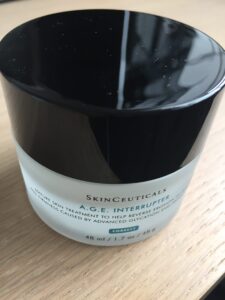
Skinceuticals A.G.E. interruptor cream

If you are a lady of a certain age you may be looking for something that is anti aging and helps the skin on your face stay young looking, remove wrinkles and avoid that crepey look of your skin. You may also want to avoid products that don’t work and cost too much. The review here, tells you more about Skinceuticals A.G.E. interrupter cream and what some people are saying about it.

sideways image of Skin Ceuticals A.G.E. interrupter cream pot

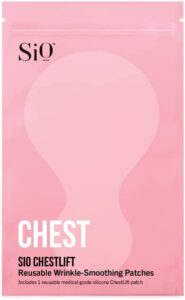
I’ve used this product and found that the skin on my neck and upper chest (décolleté) noticeably improved when I used it. The product is not cheap but can be bought fairly easily on Amazon. Because it’s not cheap so I don’t use it every day, just when I want to see an improvement overnight for a special event etc. I’ve also used skin pads which had reasonable results

It is supposed to be specifically formulated to improve thinning and creping skin. (see my post on how its worked for me how to improve crepey skin.).

What is it supposed to help with?

Its features are supposed to “reverse the erosion of elasticity and firmness cause by advance glycation end-product (A.G.E.). Restoring water and nutrients to the dermal epidermal junction and protecting the skins carried to alleviate discomfort associated with dry skin.”

Now in terms that you and I might understand, it basically is supposed to help with skin deterioration often linked to sugar intake or at least that’s the way I understand it.

Whats it like to use?

In use it does have a funky smell to it, so I have used it at night when it can go to work making things look nicer by the morning.  I found its particularly great on my neck and chest and seems to leave the skin looking smooth and different, soft and feeling moisturised. they also sell and A.G.E. eye product as well although I haven’t yet tried that.

It feels nice putting it onto the skin, it’s fairly thick and a cream rather than a lotion. A little goes a long way in my experience, so it lasts a while. It goes into the skin well.

Jo Tricker Healthy Living Lady

This post contains affiliate links. If you make a purchase through these links, I may earn a commission at no additional cost to you. I only recommend products or services that I genuinely believe in and have used personally. Your support through these purchases helps to keep this content free. Thank you for your support!

Mindfulness and its benefits on health

What is mindfulness?

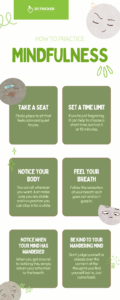
You may have heard a lot about mindfulness, but what is it and how can we use mindfulness to help us in our lives.

Mindfulness, the practice of being present and fully engaged in the moment, has been gaining popularity in recent years as a way to reduce stress and improve overall well-being. While mindfulness may seem like a simple concept, the benefits it can provide to our health are significant and backed up by scientific research.

Benefits to your health

One of the most significant benefits of mindfulness is its ability to reduce stress. When we practice mindfulness, we become more aware of our thoughts and emotions, which allows us to better manage them. This can lead to lower levels of cortisol, the hormone associated with stress, in our bodies. In fact, a study published in the Journal of Clinical Psychology found that mindfulness-based stress reduction (MBSR) significantly reduced stress levels in participants compared to a control group.

Mindfulness has also been shown to improve sleep quality. According to a study published in JAMA Internal Medicine, mindfulness meditation can improve sleep quality for older adults with sleep disturbances. The study found that those who practiced mindfulness meditation had less insomnia, fatigue, and depression than the control group.

In addition to reducing stress and improving sleep, mindfulness can also benefit our cardiovascular health. A study published in the Journal of Alternative and Complementary Medicine found that practicing mindfulness meditation for just eight weeks was associated with a significant reduction in blood pressure. Another study published in the same journal found that mindfulness-based interventions were associated with improvements in heart rate variability, which is an indicator of overall cardiovascular health.

Mental Health

Mindfulness can also benefit our mental health. A study published in the journal Mindfulness found that mindfulness-based interventions can reduce symptoms of anxiety and depression. Another study published in the journal Psychiatry Research found that mindfulness meditation can increase the gray matter in areas of the brain associated with emotional regulation and self-awareness.

Immune health

In addition to these benefits, mindfulness has also been shown to boost our immune system. A study published in the journal Psychoneuroendocrinology found that mindfulness-based interventions were associated with improvements in immune function. The study found that those who practiced mindfulness had higher levels of antibodies than the control group, indicating that their immune systems were functioning better.

Overall, the benefits of mindfulness for our health are significant and far-reaching. By reducing stress, improving sleep quality, boosting cardiovascular health, and benefiting mental and immune health, mindfulness can help us to live healthier, more fulfilling lives.

As Jon Kabat-Zinn, the founder of the Mindfulness-Based Stress Reduction program, once said: “Mindfulness is about being fully awake in our lives. It is about perceiving the exquisite vividness of each moment. We also gain immediate access to our own powerful inner resources for insight, transformation, and healing.” With all these proven benefits, mindfulness can be a powerful tool for enhancing our health and well-being.

I’ll be posting more about mindfulness and a few ways to practice mindfulness which you may not have thought about. The book below (linked to amazon) is one of my favourites and the audio version has a batch of audio follow along audio mindfulness meditations.


Jo Tricker Healthy Living Lady

Using Weleda Arnica Massage Oil for pain relief

Weleda Arnica Massage oil – short review

Whilst having my arm/shoulder injuries I was in a lot of pain. A friend of mine who sells Weleda recommended Arnica massage balm. It’s been great and really helped take the edge off without taking medication. I’m not keen on taking ibuprofen or other stronger pain relief, so I try to use more natural things in general.

The arnica massage balm firstly feels wonderful. The carrier oil is thick and feels really lovely on the skin. It smells great to, or at least it’s a smell I like. Its described as, a warming massage oil which can be used before or after exercise. (This is what I used it for the most until my injury. Its helped with muscle soreness after exercise [DOMS]). The label says it stimulates blood flow and relaxes the muscles, which it does appear to do very nicely. This is a popular product that I recommend to anyone who wants to improve their health and wellness, using an effective natural remedy.

Before bed I would put a little on my hand and the gently rub it into the skin roughly where the pain was coming from. The pump makes it very easy to use, even with injuries and there’s no dripping. It certainly eased it off and allowed me to sleep better. I will be using this again and again to relieve muscle soreness after exercise and to help me with any injuries! (Lets hope I don’t have any more!!)

What’s Arnica well known for?

Arnica is well known for its use as a traditional pain relief and more recent trials have shown promising results.

[Smith, A.G.; Miles, V.N.; Holmes, D.T.; Chen, X.; Lei, W. Clinical Trials, Potential Mechanisms, and Adverse Effects of Arnica as an Adjunct Medication for Pain Management. Medicines 2021, 8, 58. https://doi.org/10.3390/medicines8100058]

Arnica is known for its soothing and regenerating properties and is particularly effective for treating bruises too. The massage oil supports recovery and it helped me feel better.

All in all I like the Arnica massage oil and its effects for my pain relief from my injury. Obviously there are many different arnica products on the market and in the past I’ve also used Nelsons Arnica cream to help with various bumps and bruises.

Let me know if you’ve tried it and what you think of the product.

Where can you buy Weleda Arnica Massage Oil?

If you’d like to get some yourself, please click on the link below:

Hazel Curtis Weleda Supervisor – Arnica massage oil

Jo Tricker Healthy Living Lady

How to exercise with a shoulder or arm injury

How to exercise with a shoulder or arm injury

How did the injury happen?

Post Christmas I was clearing out some clothes deciding on what I was likely to wear again and what I wouldn’t. I put on a dress, most of my dresses Ive never undone the zippers and just sip them over the head. This time was different. As I slipped it over any head I realised my bust size had increased somewhat. I brought the dress over my chest and thought, ok that’s not going to fit. As I started to lift it off, I got stuck. In the panic of not wanting to call my older son to come and rescue me from being trapped, I took the drastic decision to “rip it off over my head”. Boy was that a mistake.

Ripping it off in more than one sense of the meaning..

As I ripped off the dress, I felt something “go” in my shoulders and arms. Oh the pain was pretty bad. I knew I’d done something pretty serious. The dress was off, but my arms felt like they’d been ripped out of their sockets!

Injured shoulder and arms prevented me from doing much

As the days went by I realised that my arms and shoulders were pretty damaged. My previous physio had now retired. After a while I decided to try an osteopath and after doing some research I went for a treatment. Id survived using ibuprofen to calm the inflammation. But I don’t like taking medications and avoided only but the essential to eep life flowing.

The ostepath was lovely and soon I was doing a few exercises to help it heal. The worse injury was on the mend for sure and the exercises felt like they were helping. however after a couple of months one still wasn’t right and she asked if I would go and get a scan to see if there was more damage than expected. I booked it in and planned to see the guy in a few weeks as he was pretty booked up. In the meantime I was just walking to get exercise, doing squats and mainly leg exercises to keep going. I had to stop with my personal trainer as most things caused pain, shed already set me some great routines, so I was doing what I could if it didn’t aggravate the injury.

Looking forward to finding out what could be done

I was actually looking forward to the scan, as I felt that knowing what was the matter would be the first step to really getting back to my fitness and improving my health.

there had been a bin strike in the weeks before and I had a huge amount of cardboard recycling ready to go when it will got back to normal. I had flat packed the cardboard boxes and because I couldn’t actually move them anywhere (because of the arm injury I had left them ready to go.

As I walked to the fridge to get some veggies I tripped over the box which had fallen over and to save myself lifted my arm quickly. The pain was searing and I knew yet again that I had done a lot of damage. I turned to go back into the kitchen and tripped on the other side of the box, catching myself on the door frame to stop a fall.

Taking pain relief gave me no relief, I was due to see the osteopath the next day. I messaged her. I couldn’t even touch the skin yet alone have someone touch it for me. The day after was fortunately the day planned for the scan.

Ultra sound scan and passing out

The professor was amazing, he was looking at what had happened. I was in a lot of pain. he tested mobility of the arms and shoulders, I felt like passing out and had to have my feet raised twice during the appointment. He referred me for an MRI and shortly afterwards I contracted covid. So I was completely out of action.

After I tested negative I decided to walk to the shops to get some watermelon, I git half way there and thought I would need to get a taxi back. but having been in that place before I remembered that I had really improved when I slightly pushed myself and my aerobic capacity came back. So I carried on to the shops and walked home, albeit slowly.

the very next day I also had to go for a site meeting for work, it was actually better for me to walk as I would have struggled to drive with my shoulder. So I walked there and back. once again super hard to breathe, but I made myself do it and the next day felt better for it.

I continued to walk as much as I could manage and my breathing got easier and my aerobic health came back somewhat. however, my arms were still pretty much out of action, even carrying a small bag was painful. I couldn’t lift my phone and I couldn’t type!

What exercise I could do whilst my arms and shoulders were out of action

I realised that I would become much less active and fit if I didn’t find some alternatives whilst my arms were recovering, the professor had told me not even to try physio exercises until the MRI results and to rest the arms. Pretty tough when you’re trying to work.

So this is what I came up with:

Exercises that don’t use the arms

I did a lot of leg work, after all the bottom and the legs are pretty large muscles so I felt this would help.

  • squats

  • walking
  • trampoline but only shot times and holding arms crossed
  • stepping up the stairs (steps)
  • walking up and down the stairs
  • wall squats (with and without a stability ball)

  • clam shells

  • flutter kicks on the sofa/chair kick legs as if swimming

I’m not a personal trainer, just showing you what I am doing whilst my arms and shoulders repair. So if you have an injury or just starting out consult your physician first.

The future

Next week I am going back for the MRI results. I’ve seen them, lots of latin words about my anatomy but tears in muscle, tendon damage, inflammation and more tel me that I may be doing these for a while. Let me know what exercises or activity you do without using arms/shoulders. 🙂

Jo Tricker Healthy Living Lady


Breath work what is it?

Breathwork – what is it, what does it do and my first experience of a breath work session


What is it?

So, suddenly I keep hearing about breath work and how good it is for you. I meditate daily in various ways and use my own and others guided visualisation. One of my meditations is breath focused and Ive also used the calm app, which also is breath and thought focused.

In essence breath work is focusing on your breathing and using breathing to calm your body and mind, destress and some forms of breath work can also have more radical affects (these seem to be mainly focused on a form of hyperventilation).

What does it do?

For me and for many people breath work can calm the body and mind. Deep belly breathing calms down the nervous system. It takes us out of the flight or fight response and makes the body and mind feel like its in a relaxed and calm situation. However, you can use breath work to build energy and also some emotional releases. the one I did today was for calming but it also (for me) had a positive side effect of giving me lots of energy.

My first experience of a breath work session.

I’m not a practitioner and a complete newbie to breath work, but I do use focused breathing as a form of meditation and I do this each morning. Its from a book called mindfulness through depression. The one I do is for 3 minutes. The calm app also has very similar short sessions and they are also excellent for calming the mind and body.

So what was the breath work like, how long was it and how did I feel afterwards?

The breath work session I attended was online in a zoom session. The lovely lady Zora ran the session as part of her Patreon membership Zora runs the sessions every Monday and Friday (check her links for times in your country) and the whole session lasts about an hour. This includes 10 minutes of breath work and then a meditation session afterwards.

The breath work that I just did was lovely, it included focusing on the breath in, pause (hold breath for 2 seconds) and then release the breath. The most important thing is you breathe into the belly. Zora counted me through it and it certainly had a lovely calming feeling when I was doing it. She also got us to focus on an outcome. I enjoyed it a lot and the meditation that followed. I ended up falling asleep, which is quite normal. After waking we went to a chill out room, so we could discuss some of the things that had happened. I felt energised despite having just “woken up”! Buzzing might be the operative word.

I will definitely be doing this again (Friday all being well) and I am looking forward to all the variations that we will be doing. Let me know if you use breath work and what you have used it for.

Jo Tricker Healthy Living Lady


Exercises at the desk to prevent deep vein thrombosis (DVT)

Exercises at the desk to prevent deep vein thrombosis

If you’re still working from home during the cold pandemic, you’ve probably already adapted ways to keep healthy, I know I have.

Walking for healthy mind and body

I go for walks each day/evening, which are gentle on the body. At the beginning this was either alone or with a family member, but as the lockdown has eased, I’ve walked with a friend of mine who lives very close to me. Masks are a little restricting but a short walk with a friend can cure many concerns of the mind!

Day to day working from home hasn’t been too bad, it started off with working at the dining table, none of us knew how long it would go on for, but as time went on I moved the work into a spare room and set it up, gradually making it more and more office like. Like many though, although I’m lucky having the spare room and not having to use the dining table, share the internet with lots of children homeschooling and the sheer stress of trying to balance it all (which I know many parents have been through), the room is still not ideal and is cramped and I seem to be constantly sitting as the workload from covid just seems to get more and more and more. Risk assessments for each change in the rules, setting up teams and zoom meetings, working out how to train people less IT literate etc. However, as sitting working reminded me of being on a long haul flight, it also made me think about how I can help myself and take care of my own health. Particularly in relation to not getting static and risking a DVT.

Oddly from a health point of view I can see a tsunami of various health issues for the future for this country, and I’m no doctor or expert.

Trying to avoid the risk of DVT

I try to do my best in keeping active but like on a plane, I’ve tried to make sure I keep my legs and feet are active and keep moving to avoid getting a deep vein thrombosis from sitting for so long in one place. (Im not so sure that would be on everyone’s mind though).

Some of the exercises I have done include sitting on my desk chair, raising my feet onto my toes and squeezing my calf muscles (as you might do on a plane).

Seated heel raise

Stretching my legs. Walking up and downstairs to keep the heart pumping when getting drinks and visiting the toilet. Sometimes on phone calls I stand instead of sitting, and do toe raises.

Standing Heel and toe raises

I occasionally do leg raises, one leg at a time, or both legs together, pointing my toes and bringing my toes back towards my legs, really stretching out my calf and hamstrings.

Seated straight leg raise

I’ve had to attend day and week long training courses, where you just watch the webinar. With these I just stand then sit as if to sit on the chair, like a seat squat.

Chair squats

I rock and move my body so my back doesn’t get stiff and my body isn’t in the same position all the time.

I’m lucky as I have a mini trampoline here too, which seems to be brilliant for moving the circulation etc.

Hopefully the videos help explain what exercises Ive been doing. Im not a dr but certainly they’ve seemed to help keep me active.

Let me know what exercises you’ve been doing during lockdown.


Jo Tricker Healthy Living Lady


Emwave heart rate variability (HRV) and heart breathing

Emwave desktop, HRV Heart Rate

Variability and heart breathing…

Emwave Desktop

Today I was listening in a room on clubhouse about HRV (Heart Rate variability.) For a while I have had heart monitors and indeed have had some heart issues in the past and had a heart ablation(s).

Heart Rate Variability is a good way to see how your nervous system is doing and how stress and other things are affecting you.

I used to use the biofeedback on myself and clients suffering from stress and anxiety, as it was a great way to show them how the mind can calm the body down. The software I used at that time had great tools and games to play with. I recently bought the Emwave desktop (Heartmath) which is the latest version, as the old one wouldn’t work on my newest MacBook and I’d misplaced my finger monitor.

The Emwave is pretty much the same but an updated modern version and uses an ear clip to monitor (instead of the old finger biofeedback). (They also do an iPhone one called inner balance, but as Apple change their connectors frequently I decided to go down the USB desktop route instead.

What is HRV, how its measured and the Apple Watch

HRV is calculated by the gaps in between the heart beats. Apple Watch can also measure it on its app. You can press the crown on one of the caps and measure your heart rate and variability. I do this when I am stressed or feel my heart racing, and I can see visually the way the heart is behaving. The Apple Watch does have some flaws on this though, in that when my heart rate is so poor there is less rhythm, the watch just starts counting from the beginning again if it can’t pick up a sensible rhythm when it records and does this until it gets a regular pulse.

Where to find the more technical details of HRV

If you want to go into the technical details about the health benefits of HRV what’s a good rate and what’s not whoop.com has a great detailed explanation for you, but in brief, if your variability is high its a sign that your nervous system is fairly balanced and able to adapt to the stresses around you (environment). Low HRV indicates your body is finding it harder, possibly because of poor sleep, not drinking enough water, stressed or poorly.

Post illness, my current levels are still quite poor for my age 9ms-72ms but generally I’ve been measuring when I don’t feel particularly well. So I will be starting to measure this when I am well, well rested and more active too, to see whether the variability improves. On a side note, I have noticed that since being seriously ill (not sure if it was COVID or pneumonia but couldn’t even walk along the hallway as breathing was so difficult!) and after recovering my resting heart rate has started to improve again as that also dropped to low levels. Admittedly it does still have a long way to go.

Heart Brain connection

If you don’t know much about the heart – brain connection and you may want to find out more have a look at the video in Heartmath

Demonstration of Emwave desktop

The video below demonstrates the Emwave desktop, which I the one I use. Its a great way to FEEL when you are becoming calm and have heart coherence. Once you’ve learnt that its easier to calm yourself in stressful situations, as you know what that feels like and develop personal imagery to take you there quicker. I use heart breathing and that seems to get me to the best state very quickly. I imagine breathing in through my heart and back out through my heart in smooth slow breaths. try it and see how you get on.

I’m not and expert and not a doctor but I’ve been learning a lot more about how to improve it from some lovely ladies in the clubhouse room (look up Sandy Kruse and Zora Benhamou on clubhouse – biohacking for women 50+ and Ageing well room – HRV) they continue to broaden my knowledge in all things biohacking.

Let me know what you’re tried!

Let me know if you’ve tried the Emwave desktop, inner balance or other products like the Apple Watch, Oura ring that you might have used to measure HRV and how you got on with them. Have you used anything to alter and improve your HRV?

Jo Tricker Healthy Living Lady


Ganoderma/Reishi- Why I’m drinking it, why YOU might want to use it and what its supposed to do for you

Ganoderma – why I’m drinking it

Why YOU might want to use it and

What its supposed to do for you

Cup of coffee from the top looking down

Over the last couple of years and covid lockdown in particular, I’ve gained a little weight and some of this was because at the beginning of lockdown I came down with something. Not sure if it was COVID, or pneumonia  or just a plain chest infection, (no testing available at that time), but whatever it was, for someone who rarely gets ill, it was horrendous and left me weak and unable to walk even to the top of the street!

Building back fitness

So the following months after “recovering” I have had to recover my fitness my health and start right from scratch!

I also got myself checked out and was told there were a couple of other issues that this illness and the weight had affected.

So, I started off by walking to the top of the road and back. Keeping my chest warm. It felt pathetic but they say a journey starts with a single step and in this instance, that was most definitely and literally the case. I progressed to round the small block, round the little block and then a few times and eventually I got back to walking for over an hour.

However, the weight never dropped back off, a tiny bit lower a tiny bit higher and my sleep became seriously disrupted and my stress levels shot through the roof.

I’m a very calm person, know how to deal with stresses and lockdown seemed to be piling these on. The lack of sleep didn’t help, as it was hard to function well on 2 to 4 hours sleep. 😦

Coffee containing Ganoderma / Reishi

Coffee cup on coffee beans in the shape of a heart

Then I came across a coffee (and tea) containing the super food Ganoderma/Reishi. I looked up what it was supposed to do. It claims to do a number of things but amongst these many many claims and testimonials it seemed to be very helpful towards sleep, cortisol/stress/anxiety and liver function. The coffee is not acidic and is apparently alkaline and for sure, the coffee and the green tea don’t give me heartburn (unlike my usual pod coffee). It taste great and does help with some of the things it claims to. I’m not a doctor, so I can only give you my own experience, but so far so good.

Heres a short video on the benefits of the mushroom itself.

A nutritionist speaks about benefits related to weight loss

in this clip below

I will keep updating this particular blog post, as I want to see if it helps with my weight, liver count, potential pre-diabetes, sleep, anxiety, stress and overall general health.

Let me know in the comments whether you have used Ganoderma/Reishi , either in coffee, tea or on its own as a supplement and if you’ve had good experiences with it, particularly if its helped with the issues mentioned above.

Jo Tricker Healthy Living Lady

NB This post is NOT sponsored or affiliated.